Enjoy Free shipping (over $45)

How to Make a Dry Seasoning with Five Spices
Homemade Five-Spice Powder
BLOG
11/28/20253 min read
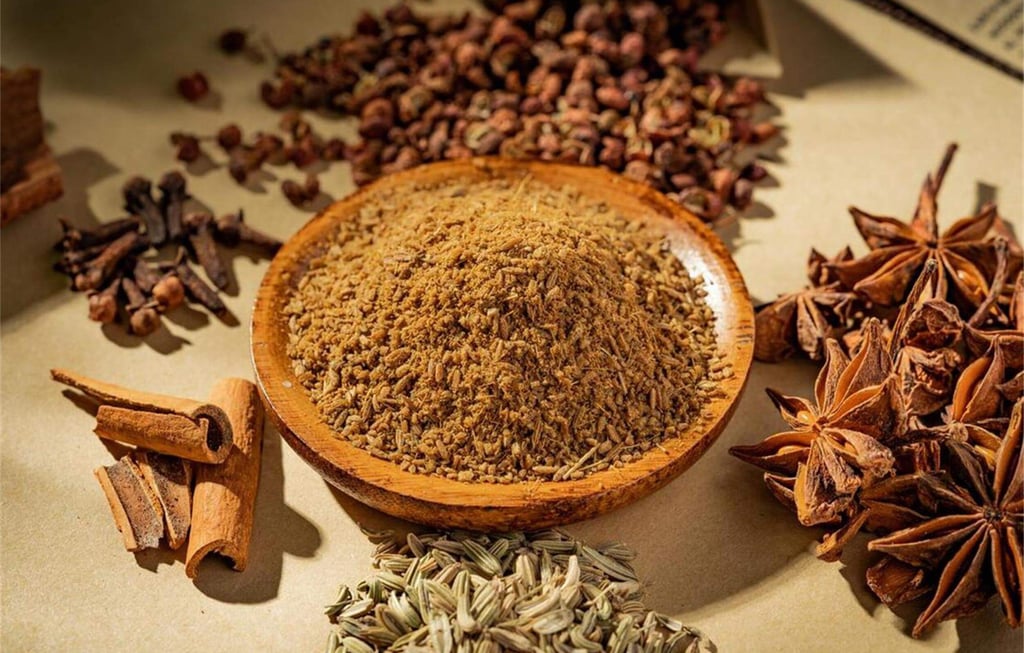
Have you ever wondered where that special aroma in appetizing braised dishes and red-cooked meats comes from? A lot of the credit goes to five-spice powder. Don't think it's some mysterious blend; it's essentially the perfect combination of a few common spices. Find the store-bought kind lacking or full of additives? Why not make your own? It's incredibly simple.
The so-called "five spices" don't have an absolutely fixed recipe, but there's a classic combination you can remember:
Star Anise — The Boss. It has the strongest aroma, with a hint of sweetness, and is absolutely essential for braised meats and stews.
Sichuan Peppercorns — The Numbing & Pungent Agent. Provides the classic ma-la (numbing-spicy) fragrance. Use less if you prefer less numbing sensation.
Cinnamon — The Sweet & Warm Agent. Offers a warm, sweet fragrance that adds depth and layers to the flavor.
Fennel Seeds — The Fresh & Aromatic Agent. Their flavor is relatively mild, with a light, fresh licorice-like scent that balances the other spices.
Cloves — The Potent Powerhouse. Their fragrance is incredibly strong. Crucial: use sparingly. One or two pieces are enough, as too many will make the blend bitter.
How to Use Your Homemade Five-Spice Powder for the Best Flavor
Perfect for Meats: Add a teaspoon when marinating, stewing, making red-cooked pork ribs, or braising chicken legs. It's excellent for removing gaminess and enhancing aroma.
Surprisingly Good with Veggies: Sprinkle a tiny bit when stir-frying greens or cooking tofu for an unexpectedly delicious twist.
Essential for Fillings: Add a pinch when mixing dumpling fillings or meatball mixtures for an instant flavor boost.
Great Dry Rub for BBQ: Mix it with salt and ground cumin for an excellent dry rub or seasoning for grilling.
A Super Practical Classic Ratio (Basic Version):
4 parts Star Anise, 2 parts Sichuan Peppercorns, 2 parts Cinnamon, 2 parts Fennel Seeds, 1 part Cloves. For example, using 4 star anise pods, the amount of Sichuan peppercorns, cinnamon, and fennel seeds would be half of that, and you'd only need one or two small cloves.
【Step 1: Prepare the Spices】
Buy a small amount of each spice on our website. You don't need much—about 50 grams total will yield a sizable jar. Give them a sniff when buying; the more fragrant, the better. If they seem dusty, give them a quick rinse, then make sure they are completely air-dried or patted very dry with a paper towel. Any moisture will prevent proper toasting and can lead to spoilage.
【Step 2: Toast for Maximum Aroma】
This is the most crucial step, elevating the fragrance to another level.
Use a clean pan (preferably non-stick) over the lowest heat possible, with no oil.
Add all the spices except for the cloves to the pan.
Stir constantly with chopsticks or a spatula to prevent burning. You'll notice the aroma slowly releasing and intensifying. Toast for about 3-5 minutes until the spices turn a slightly darker shade (not black!) and feel crisp to the touch. Turn off the heat.
Finally, add the cloves and let them warm in the residual heat of the pan (cloves burn very easily).
【Step 3: Grind into Powder】
Let the toasted spices cool down completely. Grinding them while warm will create steam and cause the powder to clump.
If you have a food processor, spice grinder, or clean coffee grinder, that's ideal. Grind the spices in batches until you achieve a fine powder.
No grinder? No problem! Place the spices inside a sturdy, double-layered zip-top bag or between two sheets of plastic wrap. Use a rolling pin or a wine bottle to crush, pound, and roll them vigorously. It won't be as fine, but the flavor will be just as potent!
Sift the ground powder. You can re-grind any coarse bits or save them to use directly in stews next time.
Store the powder in a small jar or airtight container in a cool, dry place. Use as needed.
Homemade Five-Spice Powder in Three Steps
Learn More
Contact Us
Sign up
Inquiry Email: info@eastrayspice.com
Whatsapp / Tel: +8618291998053
© 2026 Eastray Spice All rights reserved.
Advantages
Why Choose Eastray Spice
Support E-mail: support@eastrayspice.com